Denzel Bridges: Turning Real Life Into Cinematic Hip-Hop

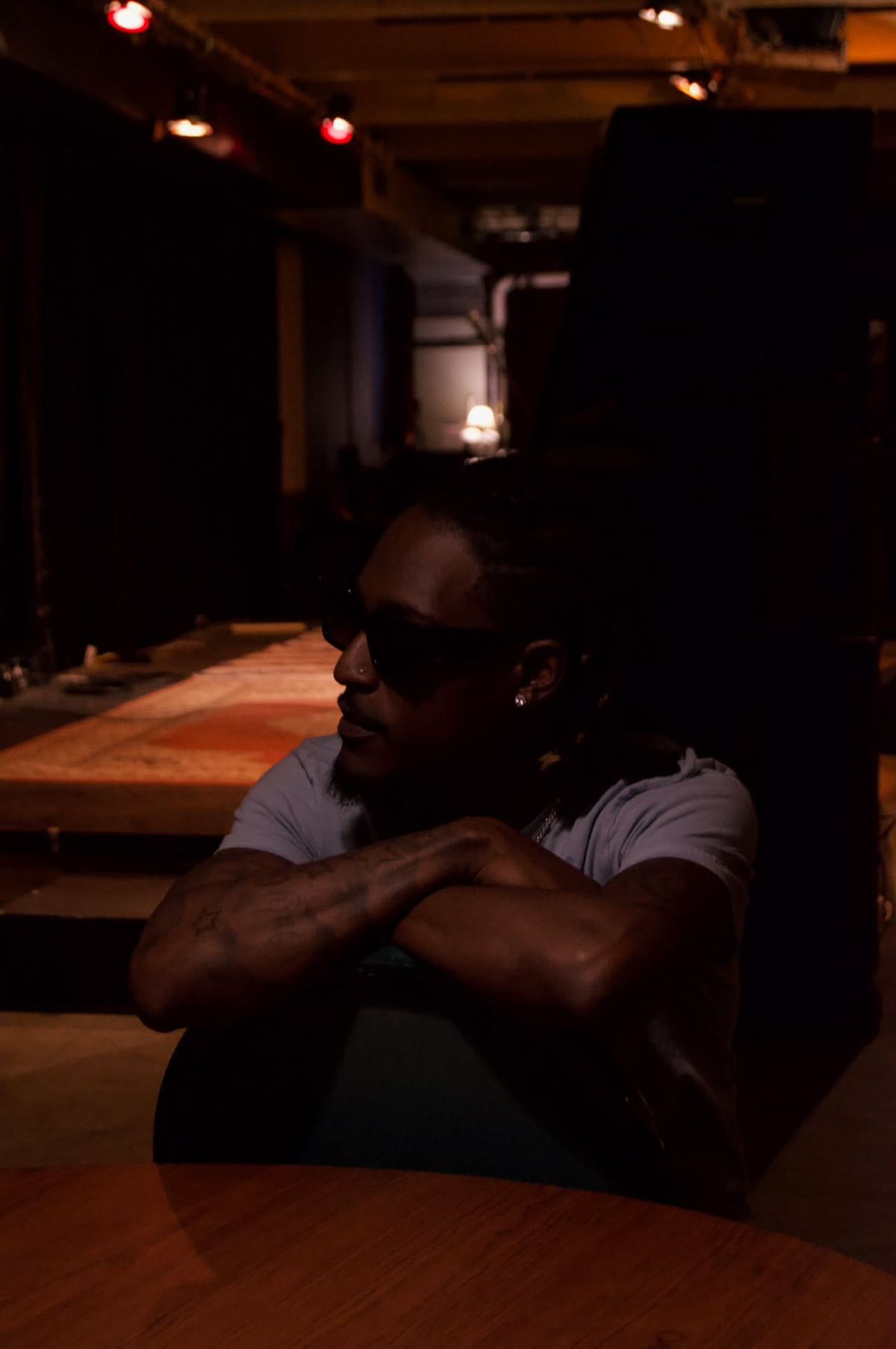
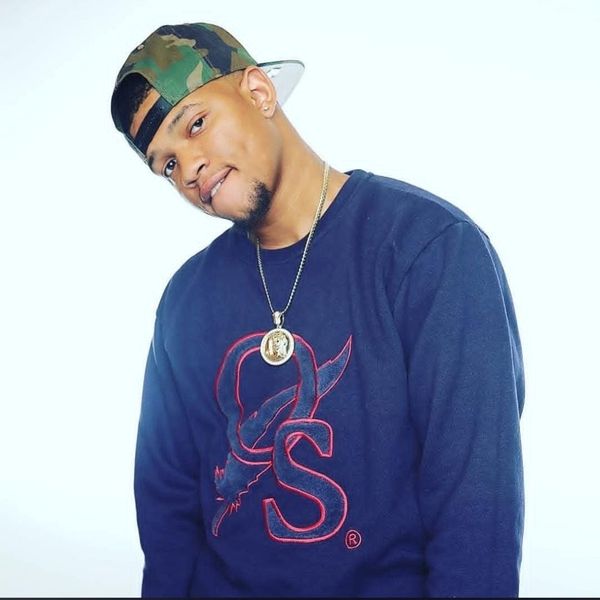
From Chicago to Mississippi, Denzel Bridges has built his artistry around one central idea: authenticity should make you feel something. Going by Denzel Bridges and simply using Artist as his preferred title, Bridges has developed a sound rooted in real-life experiences, cinematic storytelling, and music that encourages listeners to look deeper than the surface.
An Uncut, Cinematic Approach to Hip-Hop
Bridges believes his music stands apart because he isn’t focused solely on making catchy records designed for the club. Instead, he places real-life situations over energetic production, creating music that can make listeners reflect while still giving them something to turn up to.
For Bridges, that’s an important distinction. He wants listeners to recognize the contrast between entertainment and reality—the idea that what feels like a celebration can sometimes be contributing to the very struggles people are trying to escape. His music explores that tension while remaining firmly grounded in his own perspective and experiences.
A Career Built Through Experience
Bridges’ journey has already taken him beyond simply recording music in the studio. One of his notable career highlights came when he toured the East Coast with BSF rapper Fuego Base, an artist associated with Benny the Butcher’s Black Soprano Family movement.
He has also headlined two festivals focused on bringing awareness to issues surrounding hope, drug abuse, and suicide. Those experiences have given Bridges opportunities to use his platform for subjects that extend beyond music itself.
In early 2026, Bridges also signed a sync placement deal, opening another avenue for his music and creative work. His recent streaming numbers have provided additional momentum, with two of his projects released in 2025 each reaching 100,000 streams.
The Biggest Battle Was Internal
While Bridges has faced the normal challenges that come with building a career in music, he identifies his biggest obstacle as something much more personal: his own mind.
He has spent years questioning how other people would perceive his artwork and wondering whether what he created was good enough. Eventually, he realized that constantly seeking outside validation could prevent him from moving forward.
For Bridges, overcoming that mindset meant continuing to create rather than becoming stagnant or complacent. The process has been about pushing through his own thoughts and insecurities and remembering that his artwork ultimately has to satisfy the person creating it first.
Redefining What Success Means
Bridges’ vision for his future has also evolved. Earlier in his career, he dreamed of becoming the next major superstar, even comparing that ambition to wanting to become the next Michael Jackson.
Today, his definition of success is different.
Rather than chasing fame for its own sake, Bridges wants to build a sustainable career that allows him to enjoy his lifestyle while comfortably taking care of his family. His current focus on sync placements reflects that evolution, with the long-term goal of securing opportunities that can provide stability while allowing him to continue creating music.
Let the Art Speak First
One thing Bridges wants people to understand about his music is that the artist’s creative intention deserves to be examined before outside opinions are applied to it.
He wants his work highlighted for what it actually represents to him—the experiences, thoughts, emotions, and creative decisions behind each piece. Public opinion matters, but Bridges believes it should come after understanding the artist’s thought process rather than defining the artwork before that perspective is considered.
“Nothing Changed But Everything Did”
That philosophy arrives at an important moment for Bridges with the release of his latest album, Nothing Changed But Everything Did.
Released on September 18, 2026, just four days after Bridges’ birthday, the project is a 13-track album with a 17-track deluxe edition also circulating. For Bridges, the project represents a return to what he considers an actual rap album at a time when conversations about the state of hip-hop have become increasingly common.
Rather than simply discussing what he believes hip-hop needs, Bridges is contributing his own answer through the music itself.
The album features collaborations with King Hansom, Freddie Black, K Dot, White Cheddar, and JMI, among others. Bridges views everyone he works with as significant to his artistic journey, regardless of how the music industry might classify their level of recognition.
A New Chapter for Denzel Bridges
From touring the East Coast and headlining awareness-focused festivals to reaching major streaming milestones and entering the sync-placement world, Denzel Bridges has continued building his career on his own terms.
His story is ultimately less about chasing an image and more about understanding what kind of artist—and person—he wants to become.
With Nothing Changed But Everything Did now released, Bridges is entering another chapter focused on authenticity, longevity, family, and creating music that can entertain listeners while still giving them something to think about.
For Denzel Bridges, the goal isn’t simply to make noise. It’s to make people feel the reality behind the music.